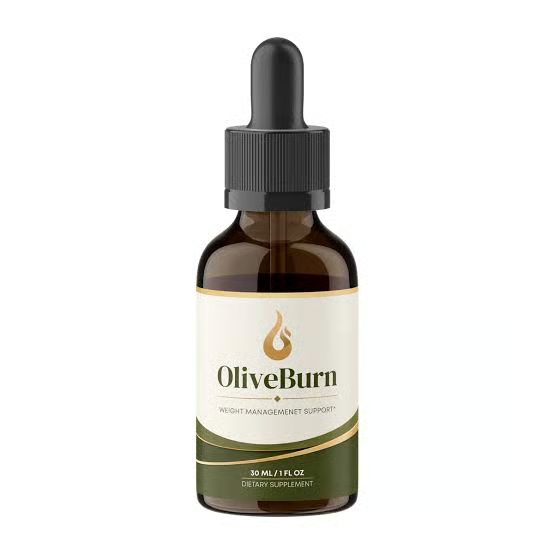
Read beyond the front label
Ingredients deserve a proper conversation.
The product name and olive imagery do not verify that a particular olive ingredient is present. Only the complete current label can confirm what is in the bottle.
Look at amounts, not just names
An ingredient list may include recognizable plant extracts, vitamins or other substances. Recognizable does not mean effective at any amount, and “natural” does not mean free of side effects.
Check the amount per serving, the extract specification when relevant, and whether any proprietary blend prevents you from seeing individual amounts. Ask the seller to clarify anything that is unclear.
Other ingredients also matter. Flavorings, preservatives, sweeteners and carriers can affect whether the product fits an allergy, dietary preference or sensitivity.
Look for meaningful quality information
Ask whether independent testing is available for identity, ingredient amounts and contaminants. A testing claim is more useful when it names the laboratory, the tested batch and the scope of the analysis.
Manufacturing or facility statements should not be confused with government approval of a product’s effectiveness. In the United States, dietary supplements are not generally approved by the FDA for safety and effectiveness before sale.
Keep the lot number and expiration date when you receive the bottle. An intact seal, readable label and reliable seller contact are practical checks before use.